Future Triangle – The Harmonious Collision of Population, Urbanization and Digital Speed
Introduction: Future Triangle – The Harmonious Collision of Population, Urbanization and Digital Speed
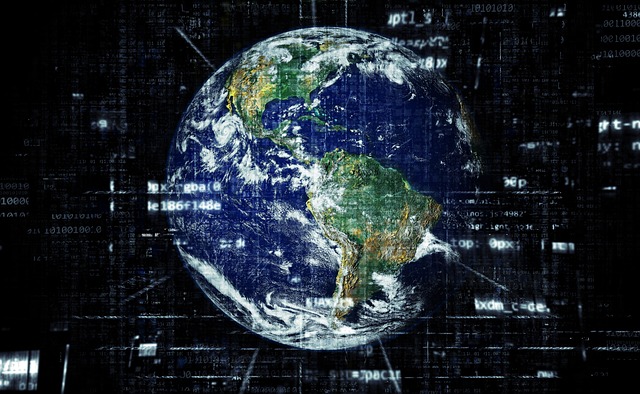
At the current turning point of human history, we are observing the simultaneous convergence of three such great forces whose collective speed and mutual complex struggle have resolved to reshape the future global landscape. This future triangle has at one corner the monstrous increase in population that is putting incredible pressure on infrastructure, resources and social structures; at the second corner is that immense wave of urbanization that is changing the geographical and cultural maps of human settlements; and at the third corner is that lightning speed of digital transformation that has violated the constraints of time and space and completely transformed the spheres of economy, governance and human relations. These three forces have their impact separately but when they collide and merge with each other, they initiate such a chemical process whose results are neither completely positive nor negative but rather create such a complex and multidimensional reality in which challenges and opportunities are so intertwined that it becomes difficult to distinguish between them. This article will delve into the depths of this future triangle to examine the vast challenges and infinite possibilities being born from their harmony, and will explore how human intellect and wisdom, strategy and collective action can employ these trends to form a bright and sustainable future. And we will see how these three forces together are giving new shapes to our world and what opportunities and risks they are bringing for coming generations.
◉ The Heartbeat of Urban Heart – The Rise of Mega Cities and Infrastructure Crisis
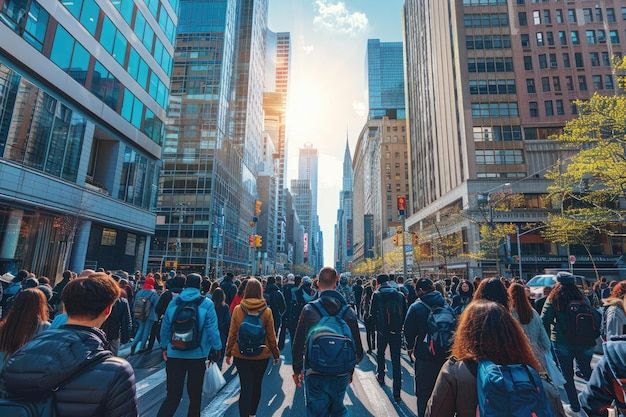
This wave of urbanization is no longer just a simple process of rural population moving to cities but has entered an era where “mega cities” and even “giga cities” are emerging as centers of human civilization whose heart is beating at a pace unprecedented in history. These cities have become economic and cultural units equal to many countries in terms of their expanse, density and economic activities but this magnificent rise of theirs is also giving birth to a deep crisis – an infrastructure crisis that is making its presence felt at every level. The arteries of these cities i.e. transport networks have congested to such an extent that millions of humans daily waste precious moments of their lives in traffic jams, not only badly affecting economic productivity but also imprinting negative effects on citizens’ mental stress and health. The water supply system has become such a tragedy where a large portion of clean water is wasted through old and leaky pipelines while obtaining clean water has become a battle for poor populations. The waste management system has completely failed where garbage dumps have taken the shape of mountains on the edges of cities which are causing poisoning of land and water and remain a chronic threat to public health. The demand for energy has increased so much that traditional power grids are incapable of bearing this burden, resulting in frequent electricity load shedding that paralyzes both industrial and domestic life. The housing crisis is emerging in another terrible shape where sky-rocketing increases in land and property prices are making adequate housing a dream for middle and lower classes, resulting in a dangerous increase in the number of people living in informal settlements. These are places where basic facilities are lacking and human existence is forced to live in extreme misery. All these problems are interconnected in such a way that the solution of one creates another problem. For example, the work of laying metro lines to improve transport network temporarily makes city traffic even more complicated. The most dangerous aspect of this crisis is that it is not limited to developing countries only but old cities of developed countries are also facing these same challenges due to their dilapidated infrastructure where pipes, bridges and roads built in the nineteenth and twentieth centuries are reaching the end of their life and their restoration is proving to be an extremely expensive and complex process. Thus, the heartbeat of the urban heart, while being a symbol of development and prosperity, is also creating such a crisis that requires not only financial resources but also extremely creative thinking, long-term planning and interdisciplinary harmony to face it, so that these cities can remain livable for future generations.
◉ The Infiltration of Digital Soul – The Comprehensive Impact of Artificial Intelligence and Automation on Future Employment
Digital transformation has breathed such a soul into our economy and the nature of labor whose effect can be felt in every aspect of our collective life, and the deepest and most immediate impact of this transformation is falling on the future of employment. The revolution of artificial intelligence and complete automation has not only changed working methods but is also giving new shape to the future of employment. And this change is not merely a matter of some jobs ending or being created but it is redefining the definition of work, the importance of skills, and the relationship between labor and compensation. Artificial intelligence is no longer a theoretical concept but has become a practical reality that is not only performing repetitive routine tasks but is also doing work that was once considered the ultimate imprint of human intelligence, creativity and decision-making, such as medical diagnosis, legal advice, financial analysis, and even creation of art and music. This means that an unprecedented threat looms over both white-collar and blue-collar professions, where jobs of accountants, data entry operators, manufacturing workers, and even some types of software developers can be eliminated through automation. And this comprehensive change is giving the shape of a national crisis to the “skills gap” where old skills are becoming useless and new skills, such as data science, cybersecurity, AI system management, and problem-solving abilities, are changing so rapidly that traditional educational institutions seem to be failing to provide them. As a result, there is a risk of further increase in inequality in societies, where AI experts and data scientists are forming a new elite while less educated or traditionally skilled workers stand on the brink of unemployment, which increases the possibilities of social unrest and political instability. However, this same digital soul is opening a world of opportunities that could not have been imagined before – it is making the culture of working from remote locations normal, which can reduce pressure on cities and restore economic activities in rural areas; it is fueling the freelance economy where individuals can present their skills in the global market; and it is creating new industries, such as virtual reality architects, ethical AI experts, and personalized education coaches. The solution is not merely to create new jobs but to change the entire paradigm of education, where instead of focus on degrees, the culture of continuous learning and repeated updating of skills should be promoted, so that every individual can work in harmony with this digital soul and maintain their economic importance. And for this change, deep cooperation between governments, educational institutions and private sector is needed so that an environment can be formed where every citizen can adapt themselves according to the demands of the digital age and benefit from new opportunities.
◉ Demographic Tides – The Collective Pressure of Youth Storm and Aging Wave
The world is passing through such a dual era of demographic changes where on one hand a storm of young population is surging in some regions, while on the other hand a wave of increasing age is at its peak in many societies. These two trends are completely opposite to each other but collectively they are putting equal pressure on the global system. Most countries of Africa and South Asia have an immense number of youth where more than 60% of the population is under 25 years of age. This is such a “demographic dividend” that if utilized properly can support the pace of economic development like a backbone, but if ignored, this same youth storm can take the shape of social unrest, unemployment and migration crisis. The biggest challenge before these countries is to provide education, health and employment facilities to this young population, a task that has already become difficult due to insufficient resources and incompetent governments. In contrast, in Europe, Japan, China and many other developed countries, birth rates have decreased dangerously and population is rapidly aging, resulting in decrease in the number of working people and increase in the number of retired individuals. This situation is creating tremendous pressure on pension systems, healthcare institutions and economic productivity. To compensate for the labor force shortage in these societies, either dependence on automation will have to be increased or import of immigrants will have to be increased, which brings with it cultural conflicts and political tension. These demographic tides are fueling migration trends at the global level, where people from youth-populated countries turn towards aged-population countries in search of employment and better life, which is giving birth to new types of conflicts in international relations. The only solution is a comprehensive strategy that includes investment in human capital in youth-populated countries, and reform of pension and health systems in aged-population countries along with international labor mobility agreements. And in addition, collective efforts are needed at the global level to establish demographic balance so that both types of societies can cope with this crisis and proceed on the path of sustainable development.
◉ The New Gold of Data – The War of Digital Resources from Personal Privacy to National Security
In the digital economy, data has become that new gold whose value is even more than oil and gold, and its production, storage, analysis and control has become the center of a new global war. Every human action, every machine, every urban system is producing data, and this data has taken the shape of a valuable weapon between companies, governments and hackers. On one hand, through this data we can predict diseases, improve traffic flow, create personalized products, but on the other hand, this same data has brought risks of elimination of personal privacy, mass surveillance, and data theft. Big tech companies collect our data and use it for their business benefits, sometimes using it to influence our behavior without our permission. Governments are using data to monitor citizens, which can be beneficial for national security but is also a threat to democratic values. Hackers and cyber criminals are holding data of banks, hospitals and government institutions hostage and extorting ransom. Nation states are using data for spying against each other, and data protection has become a national security issue. Another aspect of this data war is the “digital divide”, where developed countries and rich classes dominate data reserves and analytical technology while poor countries and poor classes are deprived of it, which is further increasing global inequality. To face this challenge, new codes of data ethics, concepts of public ownership on data, and strong cybersecurity laws are needed, so that the power of data can be prevented from being concentrated in a few hands and it can be used for collective human welfare. And along with this, there is also a need to promote data literacy among the public so that every citizen can become aware of their data rights and take necessary measures for its protection.
◉ The Promise of Smart Cities – Urban Welfare Equipped with Internet of Things and Artificial Intelligence
Between the pressure of urban population and the revolution of digital technology, the concept of “smart city” has emerged as a ray of hope, which reflects the positive amalgamation of both these trends. These cities are equipped with Internet of Things sensors, artificial intelligence, and big data analysis, which are transforming urban infrastructure into a living, intelligent and responsive system. Here traffic lights automatically change their timing according to traffic flow, garbage bins automatically inform waste collection vehicles when full, water pipelines detect leaks and send alerts for repair, and street lights save energy by sensing motion. These intelligent systems not only improve resource utilization but also increase citizen safety and convenience. For example, smart security systems can detect incidents and call police, and smart parking systems can show drivers empty parking spaces. However, this promise of smart cities has also brought several challenges with it – the biggest challenge is of data privacy and security, because every movement of every citizen can be monitored. The second big challenge is of equal access to this technology, because poor areas often remain deprived of this digital upgrade, which creates a “digital gap” within the city itself. Also, heavy investment is required for construction and maintenance of these systems, which is an obstacle for developing countries. Despite this, smart cities are a necessary step towards the future, provided they are established on the principles of transparency, inclusion and citizen-centricity. And for this, strong partnership needs to be established between governments, technology companies and citizens so that it can be ensured that every citizen is included in the development of smart cities and benefits from it.
◉ The New Face of Public Health – The Revolution of Digital Health Services in the Era of Pandemics
The density of population and dense gatherings of people in urban centers have accelerated the spread of global pandemics as we saw in COVID-19, but at the same time digital speed has initiated a revolutionary transformation in the health sector that is providing new weapons to face these challenges. Through telemedicine, patients can consult doctors from home, early diagnosis of diseases can be done through AI, wearable devices continuously collect health data, and blockchain can securely store medical records. These digital health services not only increase access to health facilities in remote areas but also reduce the burden on hospitals. However, for this, access to internet and smart devices for every person needs to be ensured, also digital literacy needs to be promoted, so that every citizen can benefit from this digital health revolution. And in addition, data privacy and security issues also need to be resolved because misuse of health data can produce serious consequences. The digital health revolution has not only changed treatment methods but has also brought revolutionary changes in disease prevention and public health management. And in the future, we will see even more development in this sector when artificial intelligence, robotics and other modern technologies together will take the quality of healthcare to new heights. This change will play an important role in bringing uniformity in health services not only in urban areas but also in rural areas, and will help improve health standards at the global level.
◉ Changing the Course of Education – Establishment of Personalized Education and Global Classroom
Traditional education systems that depend on same curriculum and teaching methods are failing to meet the needs of the rapidly changing digital world. Population increase and urban migration have put tremendous pressure on schools and universities, but digital speed has also provided an opportunity to change the course of education. Online learning platforms, virtual classrooms, and AI-powered tutors can now provide personalized education according to each student’s individual abilities and learning pace. This method can not only bridge the educational gap between urban and rural areas but can also give students from poor countries access to world-class education. Its challenge is that every child should have access to digital means, and teachers should be trained in the use of new technology. Also, it is necessary to adapt educational material according to local languages and cultures. This revolution of digital education has not only changed teaching methods but has also given new shape to the purposes and outcomes of education. Now education is no longer merely a means of obtaining degrees but has become an endless journey of continuous learning and updating skills. And in the future, we will see even more revolutionary changes in the education sector when virtual reality and augmented reality become part of classrooms and make students’ learning experience more enjoyable and effective. This change will not only improve educational standards but will also play an important role in economic development and social development.
◉ The Dragon of Climate Change – The Deep Impact of Urbanization and Population on Environment
Population increase and urbanization have tremendously increased the demand for natural resources, resulting in problems like deforestation, air pollution, and water scarcity. Cities produce more than 70% of global carbon emissions. This dragon of climate change has now become an existential threat for all humanity. Digital technology can prove to be a powerful weapon in this war – by improving renewable energy sources, optimizing energy use, and analyzing environmental data we can fight this dragon. Promotion of green buildings in cities, improvement in public transport systems, and modern methods of waste management can play an important role in environmental protection. However, for this, political commitment, public awareness and international cooperation are needed. Developing countries need technology and financial assistance from developed countries so that they can walk on the path of sustainable development. This dragon of climate change is not only destroying the environment but is also a big threat to economy, health and social stability. And to deal with it, we will have to take immediate and effective measures, which include transition to clean energy, sustainable agricultural methods, and measures like forest protection. And digital technology can help us in all these measures. This change can guarantee a better environment not only for current generations but also for coming generations.
◉ The Puzzle of Food Security – New Way of Providing Food to Urban Population
Food supply for the increasing urban population is a very big challenge. Traditional farming methods are no longer sufficient to meet this demand. Digital technology and modern agricultural methods like vertical farming, hydroponics, and AI-powered irrigation systems are now making more productive and sustainable food production possible. These methods can not only produce food near cities but also reduce the use of water and fertilizer. Drone and satellite technology can help farmers monitor crop health and analyze land. Blockchain can make supply chain transparent and efficient. However, to adopt these modern methods, small farmers need financial and technical assistance. Also, there is a need to improve food distribution system so that wasted food can be reduced. This problem of food security is not only related to production but is also associated with storage, transport and distribution systems. And digital technology can bring revolutionary changes in all these sectors. In the future, we will see vertical farms within cities themselves that will be producing fresh vegetables and fruits, and AI-powered systems will help us reduce food waste and fight against malnutrition. This change will not only ensure food availability but will also play an important role in environmental protection.
◉ The New Form of Social Cohesion – Digital Communities and Cultural Change
Urbanization has weakened family structures and neighborly relationships, but digital platforms have created new forms of social relations through online communities. These digital communities can connect people around shared interests, but along with that they can also be the cause of misinformation and social division. Positive use of these platforms can strengthen social cohesion, especially people can get help in maintaining their cultural identity after migration and relocation. However, hate speech, fake news and extremism incidents are also increasing on digital platforms, which can threaten social harmony. For this, there is a need to promote digital literacy and increase platform responsibility. In this era of urbanization and digitalization, new models of social cohesion are needed that can establish balance between traditional values and modern demands. And in this, educational institutions, religious leaders and media have an important role. In the future, we will see new patterns of social relations where the lines between digital and real world will blur and people will give new shapes to their identities. This change will not only affect social structure but will also prove helpful in protecting cultural diversity.
◉ New Sources of Energy – Digital Revolution in Sustainable Energy
Dependence on fossil fuels to meet the energy demand of urban population is disastrous for the environment. Digital technology is playing an important role in obtaining energy from solar, wind, and other renewable sources and managing it. Smart grids can optimize energy use while AI can balance energy demand and supply. New methods of energy storage like advanced batteries can revolutionize the energy sector. However, these changes require heavy investment and policy support. Developing countries need help in accessing clean energy technologies. Energy transition is not only beneficial for the environment but can also create economic development and new employment opportunities. In the future, we will see decentralized energy systems where every home and building will be capable of producing energy and selling it to the grid, and digital technology will coordinate and make this entire system efficient. This change will not only transform the energy sector but will also have a deep impact on the entire economy and social structure.
◉ Transportation Revolution – Autonomous Vehicles and Drone Delivery
The solution to the transport crisis in cities is hidden in digital technology. Autonomous vehicles, electric vehicles, and drone delivery systems can not only improve traffic flow but also reduce air pollution. This revolution can make urban transport safe, fast and environmentally friendly. Shared mobility services like ride-hailing and bike-sharing can increase urban transport options. However, these changes require coordinated planning and new laws. Also, huge investment in infrastructure is required. This transportation revolution will not only change urban life but will also have a deep impact on economy, environment and social relations. In the future, we will see integrated transport systems where different means will be interconnected with each other and citizens will be able to travel from one place to another without any obstacle, and digital technology will make this entire system smooth and efficient. This change will not only solve urban transport problems but will also play an important role in economic development and environmental protection.
◉ Water War – The Role of Digital Technology in Water Conservation
In view of the increasing needs of urban population, water has become a precious resource. Through digital sensors, AI, and data analytics, we can prevent water wastage, collect rainwater, and monitor water quality. These technologies can prove to be an important weapon in the water war. Smart water management systems can help cities in efficient water use. However, to implement these systems, political commitment and public cooperation are needed. Also, efforts are needed at the international level to resolve water conflicts. The water crisis is being felt not only in urban areas but also in rural areas. And to solve it, we will have to promote water conservation, rainwater storage, and water reuse methods. In the future, digital technology will help us make better use of every drop of water and will play an important role in dealing with water shortage problem. This change will not only ensure water availability but will also prove helpful in maintaining environmental balance.
◉ New Form of Governance – Digital Democracy and Citizen Participation
Digital technology has given new shape to the relationship between governments and citizens. Through e-governance systems, citizens can obtain government services online, digital voting systems can make the voting process easier, and social media can strengthen citizens’ voice. This digital democracy can increase transparency and accountability. However, challenges like digital divide, data security, and fake information also exist. Governments need to improve digital infrastructure and promote digital literacy. Digital governance not only improves service delivery but also opens new doors for citizen participation and consultation. In the future, we will see more transparent, accountable and citizen-centric government systems where digital technology will affect every aspect of governance. This change will not only improve government performance but will also play an important role in promoting democratic values.
◉ Future of Global Economy – The Rise of Digital Currency and Blockchain
Digital speed has completely changed the methods of economic transactions. Cryptocurrencies, blockchain technology, and digital payments have shaken the foundations of global economy. These technologies can not only make transactions faster and more secure but can also open the path of economic inclusion for poor countries. Central bank digital currencies can bring revolutionary change in traditional financial system. However, regulatory challenges, security concerns, and technical problems need to be resolved. This rise of digital economy will affect not only the financial sector but all sectors of trade, industry and services. In the future, we will see a global economy where digital currencies and blockchain-based systems will play central role and the nature of economic transactions will completely change. This change will not only accelerate economic development but will also promote transparency and justice in the global economic system.
◉ Survival of Cultural Heritage – Protection of Cultural Identity in Digital Age
Under the pressure of urbanization and globalization, there is a danger of cultural heritage and local languages disappearing. Digital technology can play an important role in preserving this heritage – through virtual museums, 3D scanning, and digital archives we can preserve our culture for coming generations. Online platforms can introduce local cultures at global level. However, issues like long-term preservation of digital content and cultural appropriation need attention. Digital restoration of cultural heritage not only preserves it but also makes its access possible for new generations. In the future, we will see even more modern uses of digital technology for the protection and promotion of cultural heritage. This change will not only help maintain cultural diversity but will also play an important role in promoting intercultural understanding and global peace.